
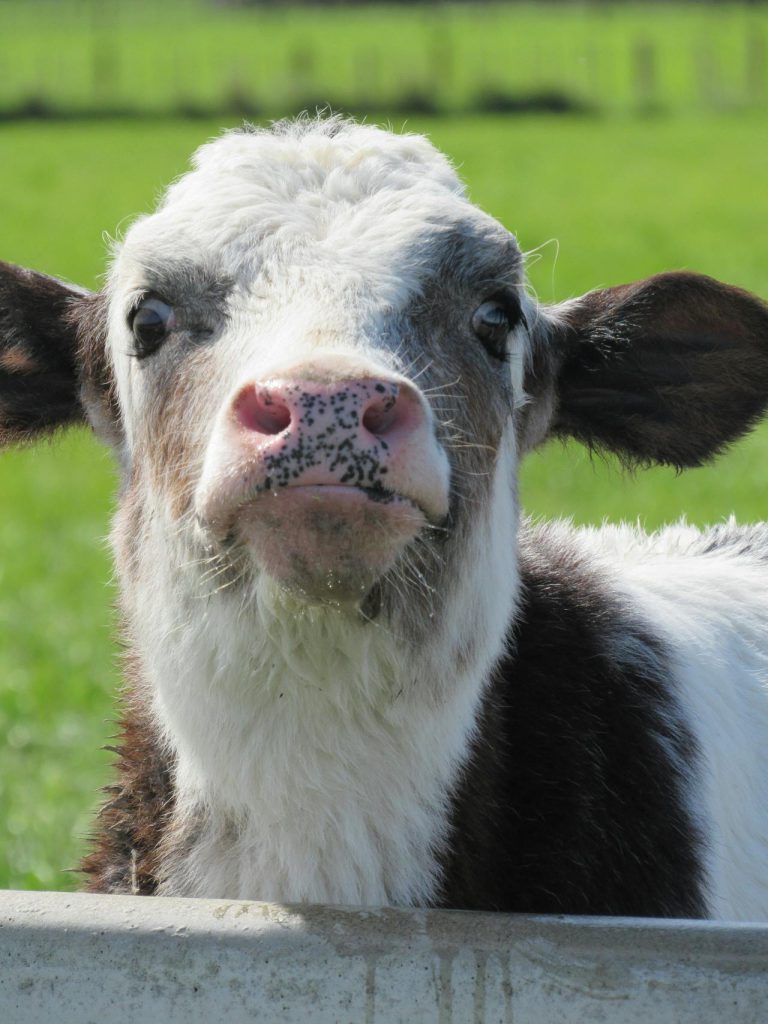
How Animal Welfare Shapes the Future of Dairy
Animal welfare is no longer a peripheral issue in dairy farming. It has become a central factor shaping how the sector develops, how it is regulated, and how it is perceived by the public. Decisions made today about animal welfare will influence not only how milk is produced, but whether dairy farming continues to enjoy public trust and long-term viability.
In the UK, dairy farming already operates within high welfare standards. However, expectations continue to rise, driven by scientific understanding, consumer attitudes, and policy priorities. Welfare is increasingly viewed not as a fixed benchmark, but as a dynamic area requiring continuous improvement.
Welfare as a Measure of Progress
Historically, productivity was often used as the primary measure of progress in dairy farming. While production efficiency remains important, welfare has become an equally significant indicator of success. Healthy, comfortable animals are more resilient, more productive over their lifetime, and better suited to sustainable systems.
Welfare metrics such as lameness rates, longevity, and health outcomes are now used to assess farm performance. These measures provide insight into management quality and system design, offering a more holistic picture than output alone.
As data collection improves, welfare is becoming more visible, measurable, and comparable …